Home Office Remodels That Don’t Feel Like a Spare Bedroom Part 2: Making It Feel Premium, Not Makeshift
A home office isn't just a desk in a corner. If you’re still looking at four plain walls and a beige carpet, you’re not in an office, you’re in a bedroom that happens to have a computer in it. At that point, you've basically turned a room into a slightly larger, yet no less soul-crushing, cubicle.
To get away from the "makeshift" feel, you have to change the architectural DNA of the room. This is where most homeowners trip up. They buy a nice chair and a standing desk but leave the builder-grade finishes untouched. From a contractor’s point of view, the premium feel comes from the permanent elements such as the walls, the floors, and the infrastructure hidden behind the drywall.
If you’re planning a home renovation in Salt Lake City, you need to think beyond the furniture. Here is how we take a standard spare room and turn it into a high-end executive suite.
1. Custom Wall Treatments and Trim Work
The fastest way to signal that a room has a dedicated purpose is through trim and wall treatments. Standard bedrooms are designed to be "soft" with simple baseboards, flat drywall, and neutral paint. A professional office should feel grounded and architectural.
What to look for:
Wainscoting and Box Trim: This adds immediate depth. It breaks up the vertical plane and gives the room a sense of history and permanence.
Vertical Slat Walls: For a modern look, wood slats (oak or walnut) provide texture and even help with acoustics during those back-to-back Zoom calls.
Integrated Crown Molding: Connecting the walls to the ceiling with substantial molding removes that "box" feeling typical of suburban bedrooms.
Deep, Saturated Colors: While bedrooms usually lean toward airy neutrals, a premium office can handle moody tones: navy, forest green, or charcoal.
Why it matters:
Texture changes how light interacts with the room. Flat walls bounce light in a way that feels clinical. Trim work creates shadows and highlights, making the space feel curated. It moves the room away from the "standard bedroom" look and tells anyone who enters (or sees you on camera) that this space was built with intention.
2. Flooring That Defines the Space
Carpet is the enemy of the professional home office. It’s a literal red flag for a "converted bedroom." Beyond the aesthetics, carpet is impractical for office chairs; the constant rolling creates "ruts" and wears down the fibers in a localized circle around the desk.
What to look for:
Luxury Vinyl Plank (LVP): If you want durability and water resistance, essential for our Salt Lake winters when you might be walking in with damp boots, LVP is the standard. It mimics wood perfectly but handles the weight of heavy office furniture without denting.
Engineered Hardwood: For a true premium feel, nothing beats real wood. It adds resale value and a warmth that synthetic materials can't quite match.
High-End Area Rugs: If you want some softness, don't use wall-to-wall carpet. Use a large, low-pile area rug that sits under the desk and chair. It defines the "work zone" while leaving a border of hard flooring visible.
Why it matters:
Flooring dictates the "sound" of a room. Hard surfaces feel more alert and professional. Additionally, choosing modern flooring is a health play since it’s easier to keep clean and doesn't trap allergens like old bedroom carpet.
3. Tech and Power Built for Modern Work
This is the section that separates a DIY job from a project managed by a general contractor in Salt Lake City. Makeshift offices are defined by a "web" of power strips, extension cords, and cables snaking along the baseboards. A premium office has its tech integrated into the structure.
What to look for:
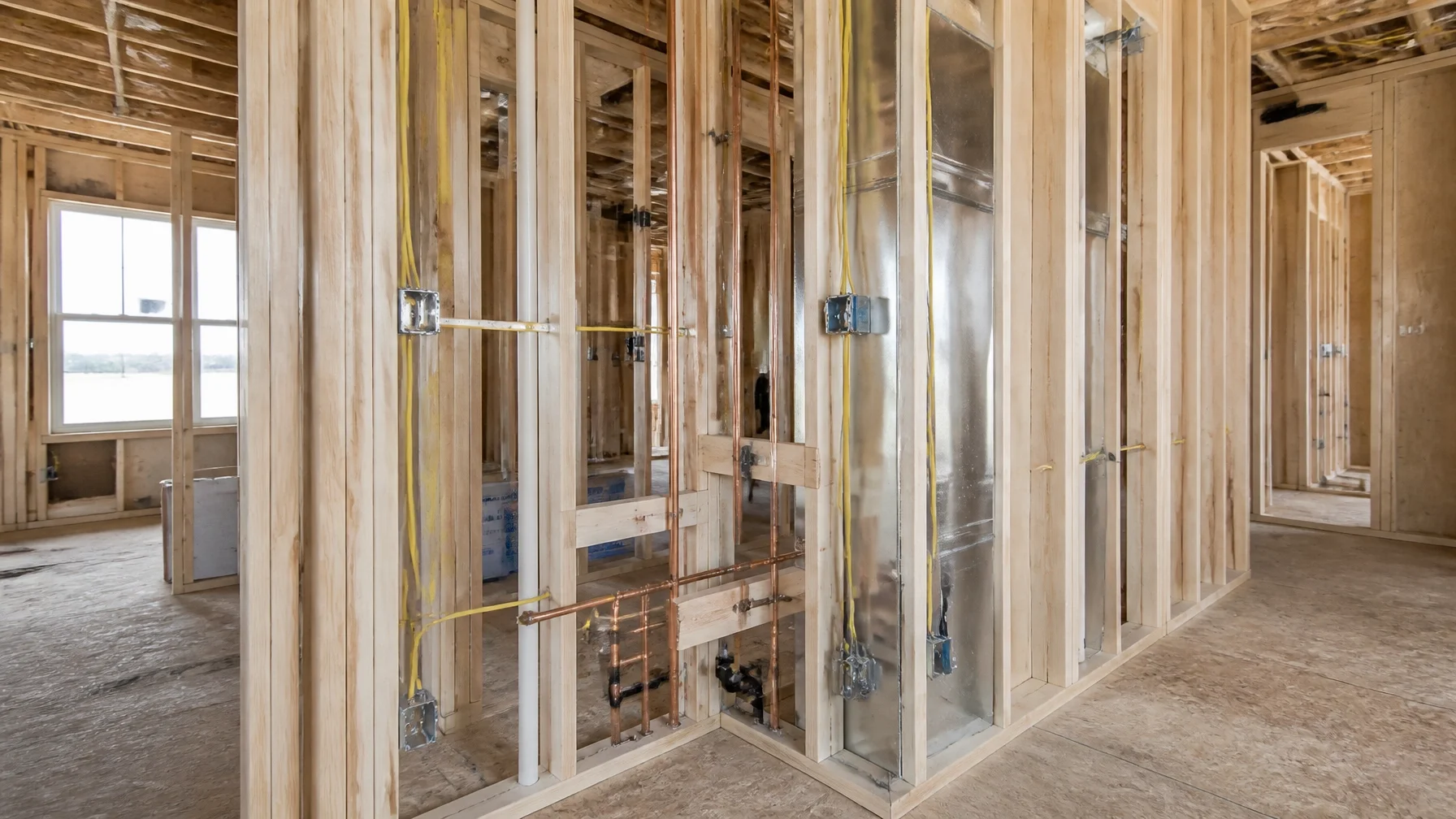
Dedicated 20-Amp Circuits: If you’re running high-end PCs, multiple monitors, a laser printer, and maybe a small server or NAS, you shouldn't be sharing a circuit with the vacuum cleaner in the hallway. We often pull a dedicated line to ensure no breakers trip during a deadline.
Floor Outlets: If your desk is in the center of the room (the "executive" position), you don't want a cord running across the floor. We can install a flush-mount outlet directly under your desk.
USB-C Wall Ports: Swap out standard outlets for versions that include high-speed charging ports.
Hidden Cable Management: This involves creating "pass-throughs" inside the walls or custom cabinetry so that the only thing visible on your desk is your equipment, not the wires.
Why it matters:
This isn't about luxury. It's about reliability. From a contractor's perspective, electrical infrastructure is the most overlooked part of an office remodel. If you're going to spend the money, do it right. You want to make sure your home's electrical panel is up to the task before you start adding load.
The Importance of Professional Execution
When you decide to move forward with a high-end office remodel, the logistics can get complicated. It’s not just about picking a paint color; it’s about coordinating electricians, flooring installers, and finish carpenters so the project stays on schedule.
In Salt Lake City, many homeowners wonder if they really need a professional for these "smaller" interior projects. The truth is, once you start moving outlets or altering the structural feel of a room, quality matters. You want someone who knows the local codes and ensures the work is permitted properly.
Planning the Timeline
A premium office remodel shouldn't take forever, but it does require a sequence.
Demo and Electrical: Getting the wires where they need to be.
Wall Treatments: Installing the trim and molding.
Paint: Professional spraying for a factory-smooth finish on that trim.
Flooring: The final "floor-up" transformation.
Final Thoughts from the Field
Turning a spare bedroom into a premium office isn't about buying more stuff. It’s about removing the "bedroom" elements and replacing them with architectural features. It’s about making the room work for you, rather than you working around the room’s limitations.
Stop settling for the makeshift desk and the tangle of cords. If you’re ready to treat your workspace like the professional environment it should be, it’s time to look at a full-scale renovation.
Making the jump from "converted room" to "custom office" is a smart investment in your home’s value and your own productivity. In the Salt Lake Valley, we see these transformations every day. They aren't just remodels. They are upgrades to your quality of life.
At Your Contractor Pros, we help Salt Lake City homeowners transform underused bedrooms into custom home offices built for focus, comfort, and long-term value. From trim work and flooring to electrical upgrades and custom finishes, we make sure every detail is designed to work as hard as you do. Contact us today to start planning your remodel.
Home Office Remodels That Don’t Feel Like a Spare Bedroom Part 1: Designing a Space That Actually Works
Most home offices in Salt Lake City aren't actually offices. They are guest bedrooms with a desk shoved into the corner and a tangle of wires trailing across the carpet. From a contractor's point of view, this is a missed opportunity for both productivity and home value. When you spend 40+ hours a week in a space, it shouldn’t feel like you’re a squatter in your own guest suite.
Creating a professional workspace requires moving past the "furniture-first" mindset. It requires structural and design upgrades that make the room feel permanent and purpose-built. If you are planning a home renovation in Salt Lake City, the goal should be to create a space that feels like a high-suite executive office, even if it’s only twenty feet from your kitchen.
1. Built-In Storage That Looks Intentional
The fastest way to stop an office from feeling like a converted bedroom is to get rid of the "office furniture" look. Freestanding bookshelves and filing cabinets are the hallmarks of a temporary setup. They leave gaps at the ceiling, trap dust behind them, and usually don't match the room's trim.
Custom cabinetry and built-ins are the solution. By integrating storage directly into the walls, you change the architecture of the room. This makes the office look permanent and professional.
What to look for:
Floor-to-ceiling installs: Eliminating the gap between the top of the cabinet and the ceiling makes the room feel taller and more integrated.
Integrated cable management: A professional contractor will design your built-ins with grommets and hidden channels so your monitors and hardware don't show a single wire.
A mix of open and closed storage: Use open shelving for books and decor that "brand" your professional style, but use closed cabinetry for the clutter such as printers, routers, and stacks of paper.
Why it matters:
Intentionality. When a room has a wall dedicated to custom millwork designed specifically for work, it ceases to be a "bedroom." It becomes an office. Furthermore, if you ever decide to sell, a well-executed built-in adds far more value than an empty bedroom ever could.
2. Lighting That Feels Professional
Bad lighting is exactly what makes most home offices feel like a temporary fix. Most bedrooms are equipped with a single overhead fixture that provides flat, yellow light. It’s fine for folding laundry, but it’s terrible for a workday. It causes eye strain and makes you look like a ghost on video calls.
As a general contractor in Salt Lake City, we emphasize "layered lighting." You don't just need one light; you need three types of light working together to create a professional environment.
The Three Layers:
Ambient Lighting: This is your general overhead light. We recommend recessed LED cans on a dimmer switch. This allows you to control the brightness based on the time of day and your specific tasks.
Task Lighting: This is focused light where you actually work. Think under-cabinet LED strips if you have built-in shelving or a high-quality articulated desk lamp. It needs to be bright enough to read physical documents without glare.
Accent Lighting: This is the "luxury" layer. Sconces flanking a bookshelf or a picture light over a piece of art. Accent lighting adds depth to the room and makes it feel like a designed space rather than a utility closet.
What to look for:
Color Temperature: Aim for 3000K to 4000K (Neutral White). Anything lower is too yellow (sleepy), and anything higher is too blue (clinical).
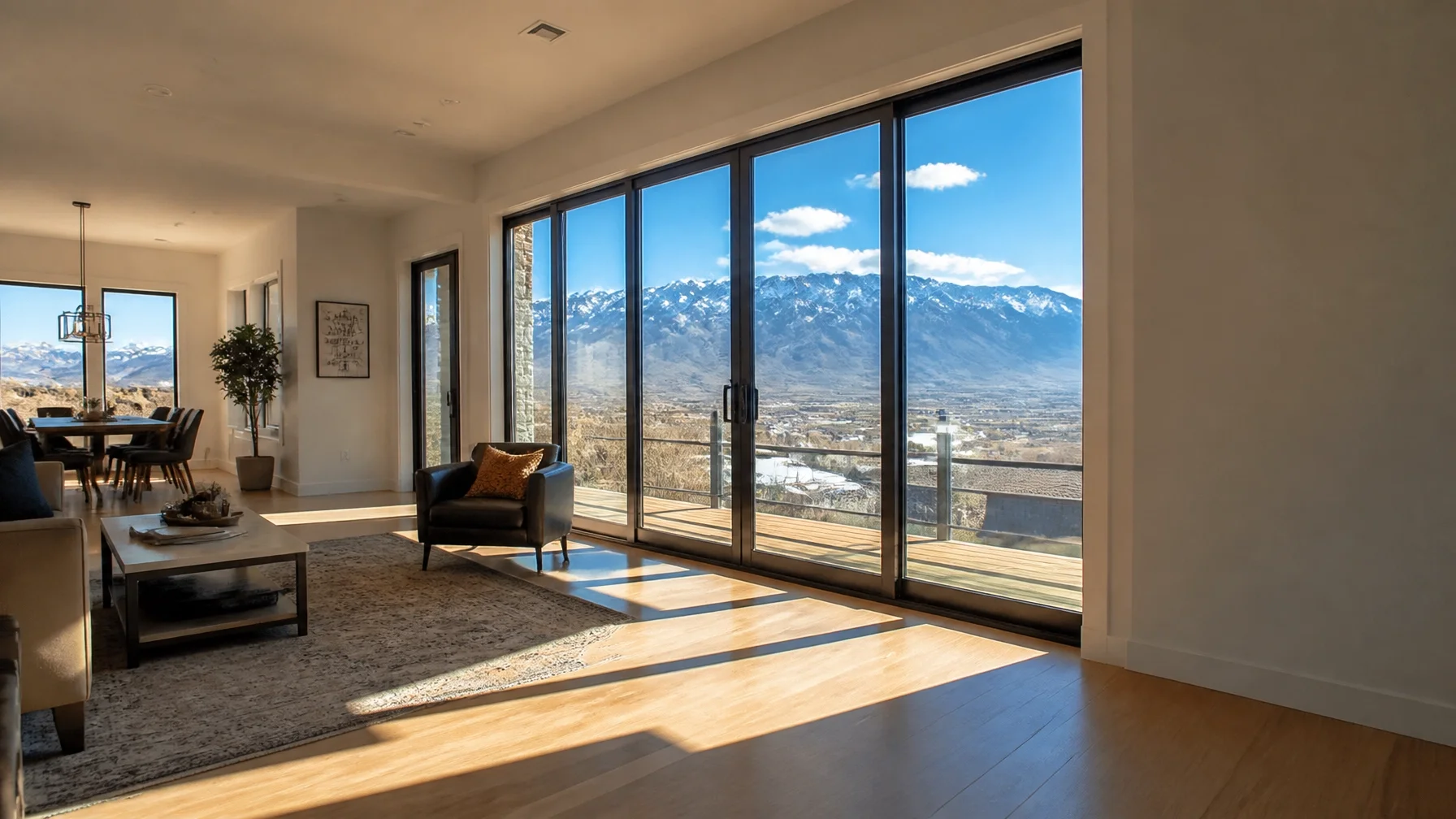
Window Placement: If your remodel involves moving walls, consider the position of natural light. You want light to hit your face from the side or front not from directly behind you. Light from behind can turn you into a silhouette every Zoom call.
3. Sound and Privacy Upgrades
A true office should feel separate from the rest of the home. In a standard Salt Lake City home, bedroom walls are often thin, and doors are usually hollow-core. This means you can hear the dishwasher running, the kids playing in the hallway, or the TV in the next room. You can't be "in the zone" if you're constantly distracted by the sounds of your household.
Structural Sound Dampening:
If you are doing a full-scale remodel, this is the time to address the "quiet zone."
Solid Core Doors: Most interior doors are hollow, acting like a drum that amplifies sound. Replacing your office door with a solid core wood door is one of the most effective ways to block noise.
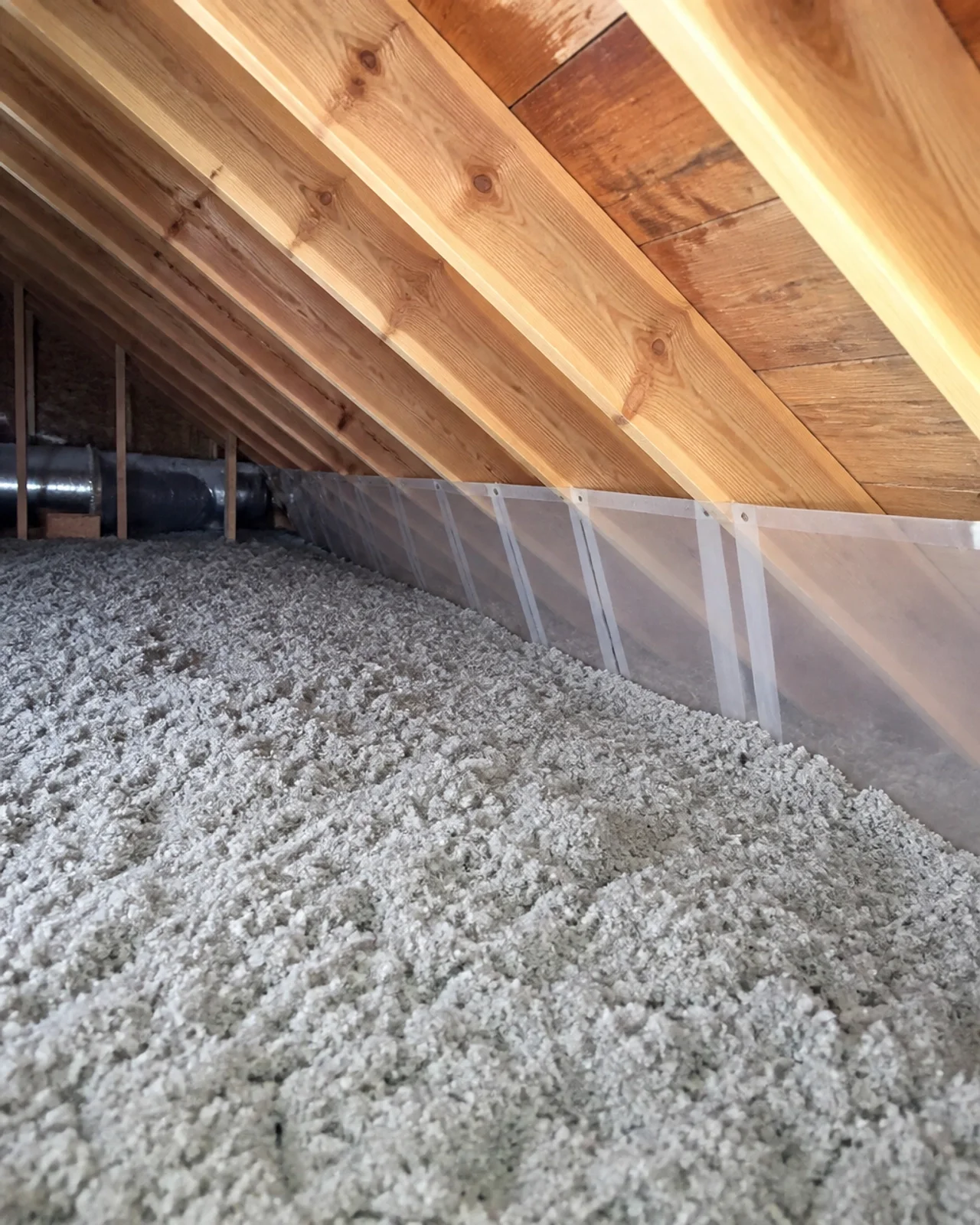
Insulation: We often suggest blowing cellulose or installing Rockwool insulation into the interior walls of the office during a renovation. It’s an inexpensive upgrade that makes a massive difference in acoustic privacy.
Quiet Drywall: For high-stakes environments, products like QuietRock use specialized layers to stop sound vibration from passing through the walls.
Why it matters:
Privacy isn't just about you not hearing them: it's about them not hearing you. If you deal with sensitive client information or have loud meetings, you need a room that keeps the conversation inside. Professionalism isn't just about what people see; it's about the atmosphere you control.
Working with a Professional General Contractor in Salt Lake City
Executing these details requires a team that understands more than just "putting up a wall." It requires an understanding of electrical loads, millwork precision, and acoustic engineering. At Your Contractor Pros, we specialize in transforming standard residential spaces into high-functioning environments.
When you hire a general contractor, you aren't just paying for labor. You're paying for the coordination of these complex systems. A home office remodel involves electrical, drywall, carpentry, and sometimes even HVAC adjustments to ensure the room stays cool with all your tech running.
What to Look for in a Contractor:
Licensing and Insurance: Never skip this. Ensure your contractor is fully licensed to work in the Salt Lake Valley. (Check out our 10 questions for your remodeler for more details).
Portfolio of Custom Work: Ask to see their built-in cabinetry or specialized lighting projects.
Communication: A professional office remodel has a lot of moving parts. You need a single point of contact who can manage the timeline effectively.
Planning Your Timeline
A professional office remodel doesn't happen overnight. From the initial design phase to the final coat of paint on your custom built-ins, you should expect a structured process. This isn't about rushing: it's about getting the details right so the space works for the next ten years.
If you’re wondering how long a typical renovation takes, we have broken down the estimated timeline for completion in our insights section. While that guide focuses on bathrooms, the logistical stages of planning, permitting, and construction are very similar for a high-end office.
Summary: Designing for the Long Term
Creating an office that doesn't feel like a spare bedroom isn't about the furniture you buy: it's about the room you build. It’s about:
Intention: Using custom built-ins to define the space.
Layering: Using professional lighting to set the mood.
Isolation: Using structural upgrades to ensure privacy.
If you are ready to stop working from a "bedroom" and start working from an executive suite, it’s time to look at your home through the lens of a professional renovation. In Part 2, we will dive into the premium finishes: wall treatments, flooring choices, and the tech integration that turns a room into a powerhouse.
If you're looking for more general inspiration on how to maximize your home's footprint, take a look at our thoughts on why your basement might be the key to your Salt Lake home.
A home office isn't just a place to put your laptop. It’s an investment in your career and your home’s value. Build it like you mean it.
Design Choices That Age a Home Part 3: Exterior Finishes That Hurt Curb Appeal
Your home’s exterior is the first thing a visitor sees, but it’s often the last place homeowners invest their remodeling dollars. From a contractor’s point of view, neglecting the outside doesn’t just hurt your curb appeal. It can actively devalue your property and invite structural decay. In the Salt Lake Valley, our harsh climate of intense UV rays and freeze-thaw cycles acts like an accelerant on aging materials.
If your home’s exterior feels "off," it’s likely because of specific design choices and material failures that scream 1995. Here is how to identify the finishes that are dragging your home into the past and how to fix them.
Siding: The Skin Your Home Lives In
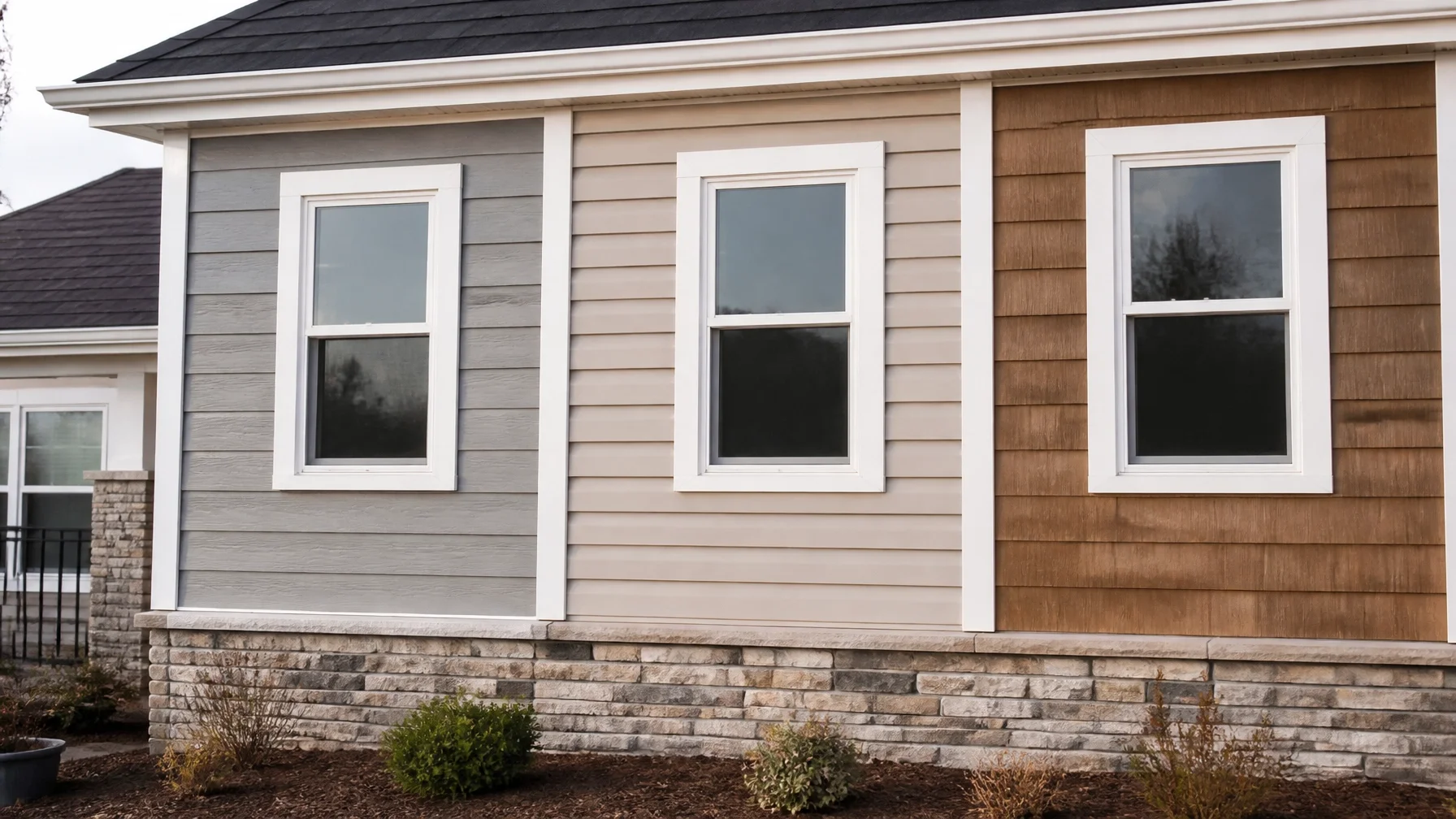
Siding is more than a decorative layer; it is your home’s primary defense against the elements. When that defense starts to fail, the visual decline is rapid. Cheap materials like thin vinyl or older aluminum are the biggest culprits in making a home look dated and neglected.
What to look for
Fading and Chalking: High-altitude sun in Utah is brutal on cheap pigments. If you run your hand across your siding and it comes away with a white, powdery residue, the finish has oxidized.
Rippling and Warping: Aluminum siding frequently ripples at the seams over time. Vinyl can warp if installed too tightly or if exposed to concentrated heat.
Outdated Profiles: Narrow, 4-inch horizontal laps in high-gloss plastic finishes are a hallmark of builder-grade homes from decades ago.
Why it matters
Faded siding isn't just an aesthetic issue. It signals to potential buyers that the home hasn't been maintained. More importantly, warped or cracked siding allows moisture to penetrate the building envelope, leading to rot that you won't see until it's a five-figure problem. Transitioning to a high-quality material like fiber cement provides a timeless look and superior protection. Many homeowners who switch from older vinyl to fiber cement often see a noticeable improvement in both curb appeal and resale value, along with significantly better durability.
Color Theory: Avoiding the "Time Capsule" Effect
Nothing dates a house faster than a color palette that was "trendy" forty years ago. Many homes in Sandy and Salt Lake are still rocking heavy earth tones, muddy browns, and "harvest gold" accents.
What to look for
Monochromatic Beige: The "sea of tan" was popular because it was safe, but now it just looks dusty and uninspired.
High-Contrast "80s" Trim: Dark brown trim against a cream or white house can look dated and heavy.
Bold, Inconsistent Palettes: Using three or four different colors that don't share a common undertone makes the architecture look busy and chaotic.
Why it matters
Modern exterior design favors "new neutrals". think charcoals, deep navies, and warm off-whites. These colors allow the architectural lines of your home to stand out rather than blending into a muddy mess. A professional paint or siding update isn't about being trendy; it's about staying relevant.
The Entryway: Doors and Garage Facades
Your front door and garage door are the focal points of your home’s "face." If they are neglected, the rest of the renovation won't matter. Garage doors, in particular, cover a massive amount of square footage, roughly 112 square feet on a standard two-car setup.
What to look for
Dated Glass Inserts: Sunburst patterns or frosted floral glass in front doors are immediate giveaways of a home's age.
Pitted Hardware: Rusted handlesets and "builder-brass" finishes that have turned green or black.
Simple Steel Garage Doors: Plain, flat-panel steel doors with no windows or architectural detail look industrial and cold.
Why it matters
The entry is the transition point from the outside world into your private space. Upgrading to a modern wood-look door or a sleek, contemporary steel door with vertical glass panes changes the entire energy of the facade. For garage doors, adding windows and hardware can make the door look like a deliberate design choice rather than a necessary utility.
Concrete and Hardscapes: The Foundation of First Impressions
Cracked concrete is more than an eyesore; it’s a liability. In Salt Lake City, the constant shift between freezing and thawing is a nightmare for poorly installed walkways and driveways.
What to look for
Heaving and Sinking: Walkway slabs that have shifted, creating trip hazards.
Spalling: The surface of the concrete is flaking off, exposing the aggregate underneath.
Neglected Walkways: Narrow, straight paths that are overgrown with weeds or hemmed in by dying landscape.
Why it matters
A neglected walkway feels unwelcoming. As a concrete contractor in Salt Lake City, we focus on creating "flow." Replacing a straight, cracked path with a wide, curved concrete walkway adds organic movement to your yard. Clean joints and a smooth finish signal that the home is solid and well-cared for. If you’re looking for inspiration on how to layout these paths, our remodel insights cover how hardscaping integrates with your total home value.
The Deck: More Than Just Wood and Nails
Decks are the most common victims of the "out of sight, out of mind" mentality. Because they are in the backyard, homeowners often let them rot until they become dangerous.
What to look for
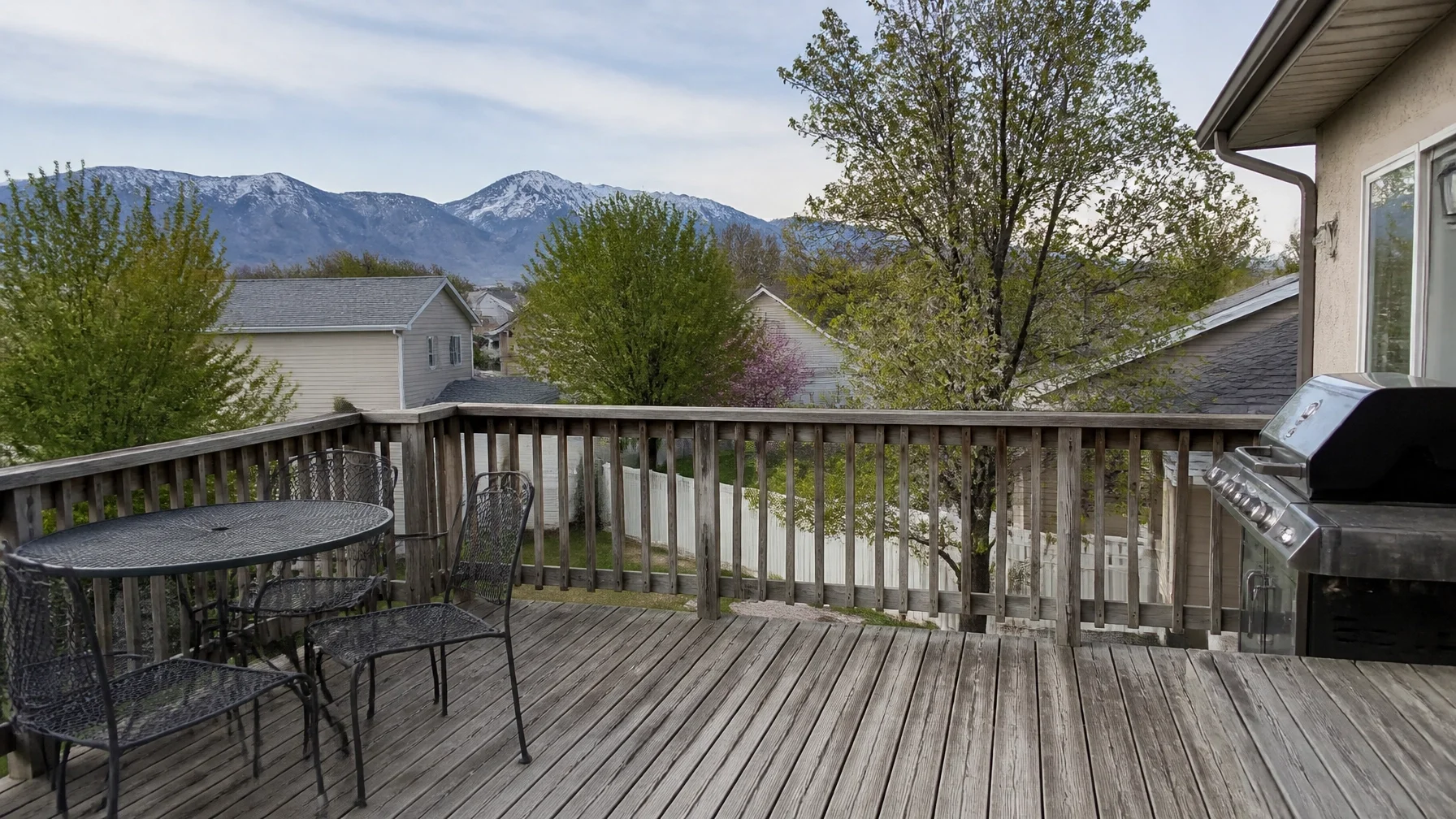
Grey, Splintered Wood: Evidence that the UV protection has long since failed.
Wobbly Railings: Often caused by rusted fasteners or rotting post-bases.
Dated Railing Styles: Thick, chunky wood balusters that block the view and look heavy.
Why it matters
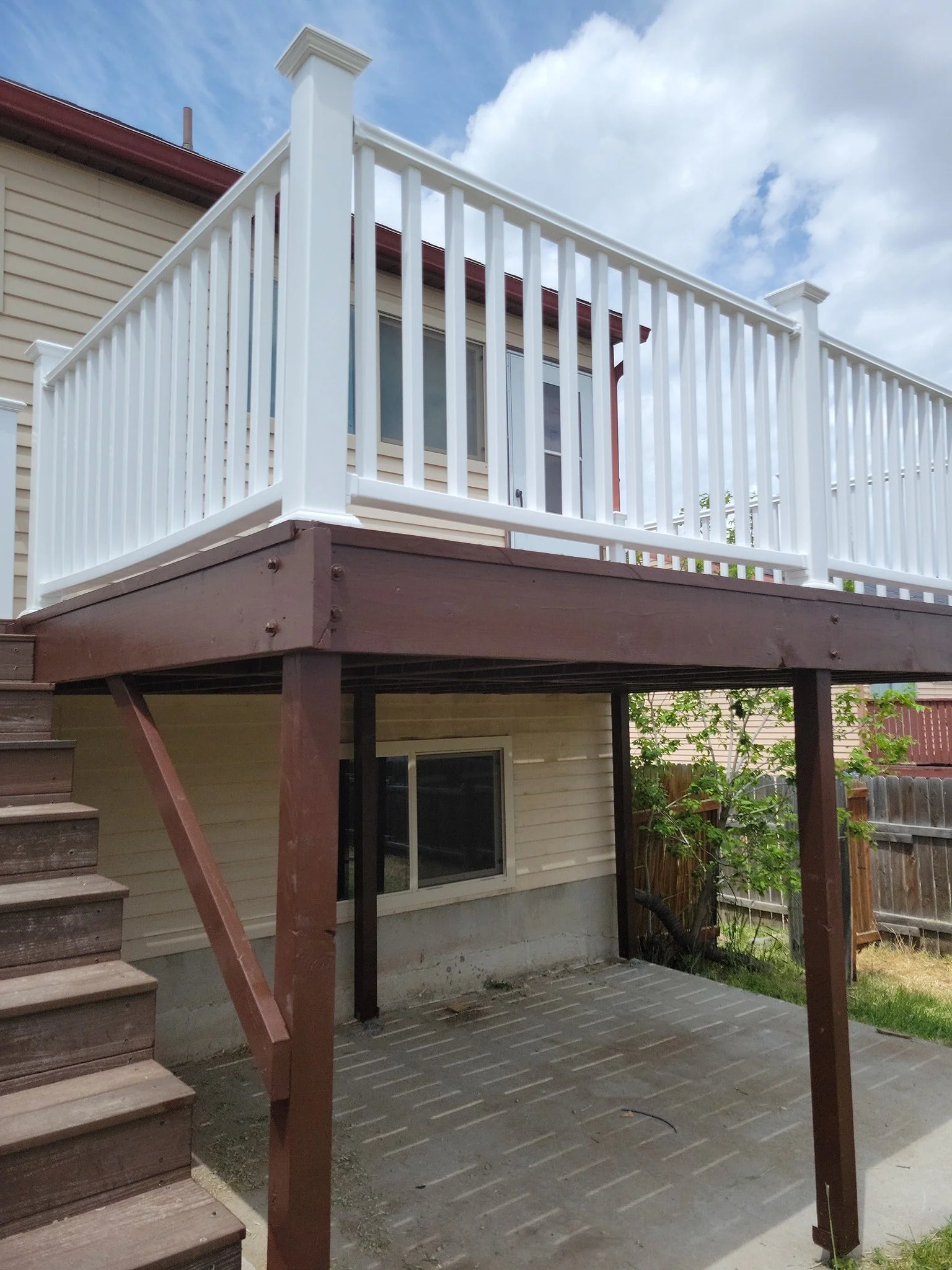
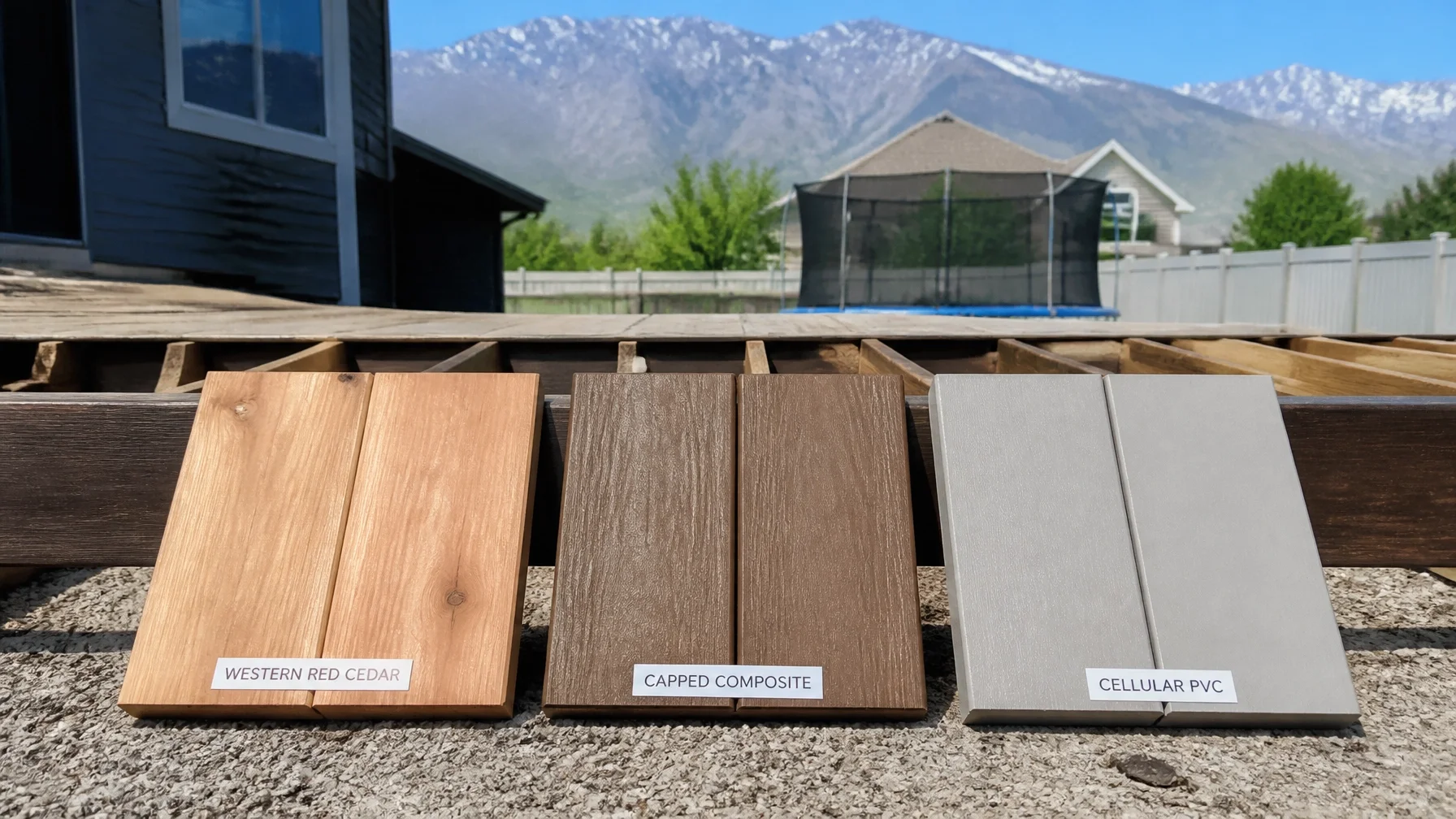
Modern outdoor living is about transparency and durability. Upgrading to composite decking and slim, white vinyl or cable railings opens up the space. As an experienced deck builder in Salt Lake City, we emphasize that a deck shouldn't just be a platform: it should be an extension of your indoor living room. Dealing with sinking posts or rot early prevents a total collapse and keeps the home looking sharp. If railings wobble or the deck feels soft underfoot, restrict use until it can be professionally inspected.
Planning for the Season
Exterior renovations require strategic timing. You can’t pour concrete in a blizzard, and painting in 100-degree heat leads to poor adhesion.
Spring/Summer: Ideal for concrete work, siding, and deck builds.
Late Summer/Fall: Best for exterior painting and door replacements before the winter hits.
Winter: This is the time to book your contractor. The best crews are often scheduled 3-6 months out. If you wait until the first warm day in April to call, you might not get on the schedule until August.
Updating your home’s exterior isn't about chasing every new trend: it's about removing the elements that anchor it to a specific, outdated era. By focusing on high-quality materials like fiber cement, fixing failing concrete, and modernizing your entry points, you create a home that looks timeless and stands up to the Utah elements.
Practical planning and choosing the right materials are the difference between a home that looks "old" and a home that looks "established." If you see these signs of aging on your property, the time to act is before the next season's weather turns a small cosmetic issue into a major structural repair.
Design Choices That Age a Home Part 2: Bathroom Features That Make a Home Feel Stuck in the Past
Bathrooms age faster than almost any other room in a Utah home. It’s the combination of high moisture, daily wear and tear, and the fact that bathroom trends tend to swing wildly every decade. From a contractor’s point of view, we can walk into a Salt Lake Valley home and tell you exactly when the last renovation happened just by looking at the tile and the vanity.
An outdated bathroom doesn't just look "old", it can feel heavy, cramped, and often less sanitary than it actually is. If you are considering a bathroom remodel in Salt Lake City, the goal isn’t just to make it look new for today. It’s about choosing finishes that won't leave you in this same position five years from now.
In reality, your master bath should be a sanctuary, but for many homeowners in Sandy or Draper, it has become a time capsule of the early 2000s.
The "Beige Era" Tile and Grout Issues
The most immediate giveaway of an aging bathroom is the tile. In the late 90s and early 2000s, there was a massive trend toward 12x12 beige or "bisque" ceramic tiles with wide grout lines. While these were durable, they now scream "builder grade."
What to look for
Large-format glossy porcelain: While large tiles are still in, the ultra-glossy finishes that lack any natural texture feel sterile and dated.
Intricate, dated patterns: Think floral borders or contrasting "accent" strips that run horizontally at eye level.
Discolored grout: This isn't just about cleaning. Over time, grout absorbs minerals from our hard Salt Lake water, turning what was once white or sand into a patchy orange or grey.
Why it matters
Old tile patterns lock your bathroom into a specific era. More importantly, wide grout lines are a maintenance nightmare. Modern bathroom design favors much thinner grout lines or even solid surface panels that eliminate the "grid" look entirely. If your grout is failing, it’s often a sign that moisture is getting where it shouldn't, which can lead to structural issues behind the walls.
Bulky Vanities and "Boxy" Storage
In older Salt Lake homes, vanities were treated like kitchen cabinets. They're heavy, floor-to-ceiling boxes that take up massive amounts of visual and physical square footage. These bulky units often lack the specialized storage that a modern family needs.
What to look for
Short vanity heights: Older vanities were often built lower (around 30-32 inches). Modern "comfort height" vanities are typically 36 inches, which is much better for your back.
Oak or honey-maple finishes: These heavy wood tones, especially when paired with a "clamshell" sink, are the hallmark of a dated space.
Wasted space: Look inside your vanity. If it’s just one giant open cavern under the sink where everything gets lost in the back, your layout is failing you.
Why it matters
A bulky vanity makes a small bathroom feel tiny. As a bathroom remodeling contractor, we often recommend "floating" vanities or furniture-style pieces. These allow you to see the floor underneath, which trick the eye into thinking the room is larger. It isn't about having less storage. It’s about having smarter storage. Modern vanities use U-shaped drawers that wrap around the plumbing, giving you usable space where you used to have a dark void.
If you're wondering how to maximize your space without a full gut, check out our guide on high-impact upgrades that don't require a full remodel.
The Infamous "Hollywood" Lighting Bars
Nothing dates a bathroom faster than the light fixture. If you have a strip of exposed round bulbs over your mirror: often called Hollywood lights: your bathroom is stuck in the past.
What to look for
The bulb strip: These create harsh, yellow-tinted shadows on your face, which is the last thing you want when getting ready in the morning.
Polished brass or "cheap" chrome: Finishes that have a high-shine, plastic-like look.
Single-source lighting: If your only light source is that one bar over the mirror, the room will always feel dim and dated.
Why it matters
Lighting is the "jewelry" of the room. It’s also the most functional element. Modern designs utilize layered lighting. Try recessed cans for general brightness, sconces at eye level to eliminate shadows on the face, and even toe-kick lighting for middle-of-the-night trips. Swapping a light bar for a modern fixture is a low-cost move, but if the layout of the electricity is wrong, it won't solve the "dim" feeling.
Fiberglass Inserts vs. Custom Enclosures
Many homes built in the Salt Lake Valley between 1980 and 2010 used one-piece fiberglass tub and shower inserts. They were cheap and fast for builders to install, but they don't age gracefully.
What to look for
Yellowing or cracking: Fiberglass becomes brittle over time. If the floor flexes, creaks, or feels soft underfoot, stop using it until the base and subfloor can be inspected.
Built-in "soap dishes": These molded-in niches are usually too small for modern bottles and are nearly impossible to keep clean.
Glass block walls: While they provide privacy, they are the ultimate 1990s design cliché.
Why it matters
A fiberglass insert feels "temporary." Replacing a yellowing insert with a custom-tiled shower and a frameless glass door is one of the most impactful upgrades for improving both daily use and resale appeal. It changes the entire "vibe" of the room from a utility closet to a spa. If you're looking for inspiration on how to make this transition, our post on creating a spa-like bathroom in Salt Lake City covers exactly what to prioritize.
Outdated Hardware and Fixtures
Sometimes it’s the small things that do the most damage. Mixing and matching "builder grade" chrome faucets with dated gold-tone cabinet pulls creates a visual mess that makes the home feel neglected.
What to look for
Crystal-style knobs: Those clear plastic handles on the shower or sink that look like diamonds but feel like plastic.
Short-neck faucets: Faucets that barely reach into the sink, making it hard to actually wash your hands.
Mismatched finishes: When the towel bar is brushed nickel but the faucet is polished chrome.
Why it matters
Consistency is the hallmark of professional design. When we handle a bathroom remodel in Salt Lake City, we ensure a cohesive "metal palette." Modern finishes like matte black, champagne bronze, or high-quality brushed nickel provide a timeless look that resists the water spots common with our local water supply.
Strategic Planning: The Contractor’s Advice
If your bathroom hits three or more of these "dated" markers, a refresh might not be enough. Sometimes, trying to "paint over" the problem costs more in the long run than doing it right.
When planning your update, keep these practical points in mind:
Don't move the "wet" walls if you don't have to: You can completely transform a bathroom's look by keeping the toilet, shower, and sink in the same footprint. This saves thousands in plumbing costs.
Think about accessibility now: If you plan to stay in your home for 10+ years, consider a low-threshold shower. It’s a modern look that also happens to be practical as you age.
Address the "hidden" stuff: If you're pulling up old tile, that’s the time to check for subfloor rot or update old galvanized pipes. At Your Contractor Pros, we prioritize the integrity of the build over just the "pretty" finishes.
If you're worried about the logistics of a renovation, we have a series that covers common concerns, like how to handle living in the home during a remodel.
Final Thoughts
A bathroom that feels "stuck in the past" isn't just an aesthetic issue; it’s a functionality issue. Poor lighting, difficult-to-clean grout, and bulky vanities make your daily routine harder than it needs to be.
Refreshing these choices isn't about chasing every new trend. It's about stripping away the "noise" of past fads and replacing them with clean lines, durable materials, and smart layouts. Whether you're in Sandy, Salt Lake, or anywhere in the Valley, a well-executed bathroom update is a smart investment in your home’s value and your own daily comfort.
Next in our series, we will look at Part 3: Exterior Finishes That Hurt Curb Appeal. Until then, take a good look at your bathroom: is it serving you, or is it just taking up space?
Design Choices That Age a Home Part 1: Kitchen Mistakes That Date Your Space
Your kitchen is often one of the most expensive rooms to remodel in your house. It is also the one that shows its age the fastest. Trends move quickly, and what looked like a "dream kitchen" in 2004 often feels like a time capsule today. From a contractor's point of view, we've seen well-built homes that feel decades older than they are simply because of a few specific design choices.
If you are looking at your space and feeling like it’s "stuck," you aren’t alone. Identifying the culprits is the first step toward a more modern, functional home. This isn't about chasing every new fad; it’s about identifying the heavy, dated elements that are dragging down your home’s value and your daily experience.
The Heavy Wood Burden: Outdated Cabinet Finishes
The most dominant feature of any kitchen is the cabinetry. It occupies the most visual real estate, which means if the finish is dated, the whole room is dated.
What to look for:
Honey Oak: The 1990s staple. It has a very distinct orange or yellow undertone that clashes with almost every modern color palette.
Dark Espresso: The "modern" look of the late 2000s. While it felt high-end at the time, it often makes a kitchen feel like a dark cave and shows every speck of dust and every fingerprint.
Arched Raised Panels: The "cathedral" style cabinet door. This profile is a dead giveaway for an older kitchen.
Why it matters:
Heavy wood tones and dated door profiles visually "weight" the room. In many Salt Lake City homes, these cabinets are built well, but the aesthetic is simply exhausted. Dark or orange-toned cabinets absorb light rather than reflecting it, making the heart of your home feel cramped and uninviting.
The Action:
If the cabinet boxes are in good shape, you don't always need a full gut remodel. A kitchen remodeling contractor can often help with refacing or professional painting. However, if the layout is poor or the wood is degrading, a full replacement allows you to take cabinets all the way to the ceiling, which instantly modernizes the space.
Countertop Chaos: Busy Patterns and Old Materials
Countertops have come a long way in twenty years. We’ve moved away from high-contrast, "speckled" patterns toward cleaner, more organic looks.
What to look for:
Busy Granite: Varieties like "Santa Cecilia" or "New Venetian Gold" were the gold standard for years. These have heavy brown, gold, and black speckles that feel very dated today.
Tile Countertops: If you are still scrubbing grout lines on your counters, you are living in the past. It’s a hygiene nightmare and a major visual clutter.
Short Backsplashes: The 4-inch lip of countertop material that goes up the wall, usually paired with painted drywall above it.
Why it matters:
A busy countertop competes with everything else in the kitchen. It makes it hard to choose a backsplash, and it often dictates a very specific, dated color scheme of tans and browns. Modern design favors "quiet" surfaces: think quartz with subtle veining or solid-toned natural stone.
The Action:
Replacing outdated countertops with modern quartz or stone is often one of the highest-impact visual upgrades in a kitchen remodel and can strongly support resale appeal. When you swap the busy granite for a clean quartz and run a full-height tile backsplash from the counter to the bottom of the cabinets, the room feels twice as large.
The "Soffit" Space Killer
If you look at the top of your cabinets and see a drywall box filling the gap between the cabinet and the ceiling, you have soffits. In many older homes, these were used to hide plumbing or electrical, but often, they were just built because it was the style.
What to look for:
Drywall "bulkheads" above the upper cabinets.
Cabinets that stop 12 to 18 inches below the ceiling for no apparent reason.
Why it matters:
Soffits visually compress the space. They make your 8-foot or 9-foot ceilings feel much lower than they actually are. They also serve as a massive dust collector if the cabinets don't have a soffit but just stop short of the ceiling.
The Action:
Whenever we take on a project as a kitchen remodeling contractor, we check these soffits. If inspection confirms they are non-structural and free of plumbing, electrical, or ductwork, they can often be removed during a remodel. This allows us to install 42-inch uppers or add a second row of glass-fronted cabinets above the standard ones. This adds storage and draws the eye upward, making the room feel grander.
Lighting: The Shadow-Heavy Layout
Poor lighting is the silent killer of good design. You can have the most beautiful cabinets in Utah, but if they are shrouded in shadows, they won't look good.
What to look for:
The Single Dome Flush-Mount: One flush-mount fixture in the center of the ceiling that casts shadows exactly where you are trying to work.
Fluorescent Box Lights: Large, recessed rectangles with plastic covers.
Track Lighting: The bulky, zig-zagging rails that were popular in the early 2000s.
Why it matters:
Modern kitchen lighting is about layers. You need ambient lighting (recessed cans), task lighting (under-cabinet LEDs), and accent lighting (pendants over the island). A single light source creates "hot spots" and "dark zones," making the kitchen feel utilitarian and cold rather than warm and professional.
The Action:
Don't underestimate the power of a professional electrical plan. Adding under-cabinet lighting is a relatively low-cost upgrade that makes a massive functional difference. During a kitchen remodel, we often recommend converting old fluorescent boxes into several strategically placed recessed LED cans to provide even, clean light across the entire workspace.
Hardware and Details: The Small Things That Age You
Sometimes, a kitchen feels old not because of the big things, but because of the details. Hardware is the "jewelry" of the kitchen, and old jewelry can ruin a great outfit.
What to look for:
Small Round Knobs: Especially in shiny brass or dated oil-rubbed bronze.
Exposed Hinges: If you can see the hinges on the outside of your cabinet doors, the cabinets are likely several decades old.
Short Faucets: The low-profile, chrome faucets that don't allow you to fit a large pot underneath.
Why it matters:
These details are the easiest to fix but often the most overlooked. They represent the "wear and tear" of a home’s aesthetic. Hidden hinges and "pulls" (instead of just knobs) create a more streamlined, modern look.
The Action:
Updating hardware is a great Saturday project, but if you are doing a full remodel, consider the "hand-feel" of your hardware. Weighty, high-quality pulls in matte black, brushed gold, or polished nickel can make even modest cabinets feel more expensive.
The Contractor’s Perspective on Planning
When we walk into a home in Sandy, Draper, or Salt Lake City, we aren't just looking at what’s "ugly." We are looking at what’s inefficient. A kitchen that ages poorly is often one that wasn't planned with a clear vision.
If you are planning a remodel, don't just pick what is popular on Pinterest this month. Look for timeless elements:
Shaker or Flat-Panel Doors: These have survived decades of trend cycles.
Neutral Bases: Use tile and paint for color; keep the expensive items (cabinets, counters) neutral.
High-Quality Materials: Cheap laminate ages much faster than stone or real wood.
A kitchen remodel is a significant investment. It’s about more than just new colors: it’s about correcting the mistakes of the past to create a space that works for the way we live now. Whether it’s removing a non-structural soffit or finally getting rid of that orange oak, the goal is a kitchen that feels like it belongs in 2026 and beyond.
Planning a remodel isn't about rushing: it's about the details. If you're starting to notice these "age spots" in your own kitchen, it might be time to look at your options. We’ve seen how a few smart changes can completely transform a home’s energy. Stay tuned for Part 2, where we’ll dive into the bathroom features that are keeping your home stuck in the past.
The Upgrades That Make a House Feel New Part 3: Boosting Curb Appeal & Value
Your home’s exterior is a silent communicator. Before a guest ever steps through the front door, and long before a potential buyer sees your custom kitchen, the exterior has already told a story. In the real estate world, we call this curb appeal, but from a contractor's point of view, it’s much more than just a "pretty" house. It is about structural integrity, weather protection, and the feeling you get pulling into a driveway that feels like a sanctuary rather than a maintenance list.
In Salt Lake City, our homes face brutal cycles. We deal with intense UV rays in the summer and heavy snow loads in the winter. These elements punish your home's skin. If you want a house to feel truly new, you have to start where the world sees it first.
Siding: The Protective Shell
New siding is the single most dramatic change you can make to a home’s profile. It is the literal "facelift" of the remodeling world. When you update your siding, you aren't just changing a color. You’re upgrading the home’s thermal envelope and its first line of defense against moisture.
From a value standpoint, siding replacement continues to perform exceptionally well. According to the latest Cost vs. Value data for the Mountain region, fiber-cement siding replacement recoups approximately 104% of its cost at resale, making it one of the smartest exterior upgrades for homeowners focused on both protection and long-term equity. In our local market, working with a professional siding contractor in Salt Lake City ensures that the materials chosen can actually withstand our specific climate.
What to look for:
Fading and Chalking: This indicates the protective finish has succumbed to UV damage.
Bubbling or Blistering: Often a sign that moisture is trapped behind the panels.
Gaps or Warping: This allows pests and water to enter your wall cavities, leading to rot.
Why it matters:
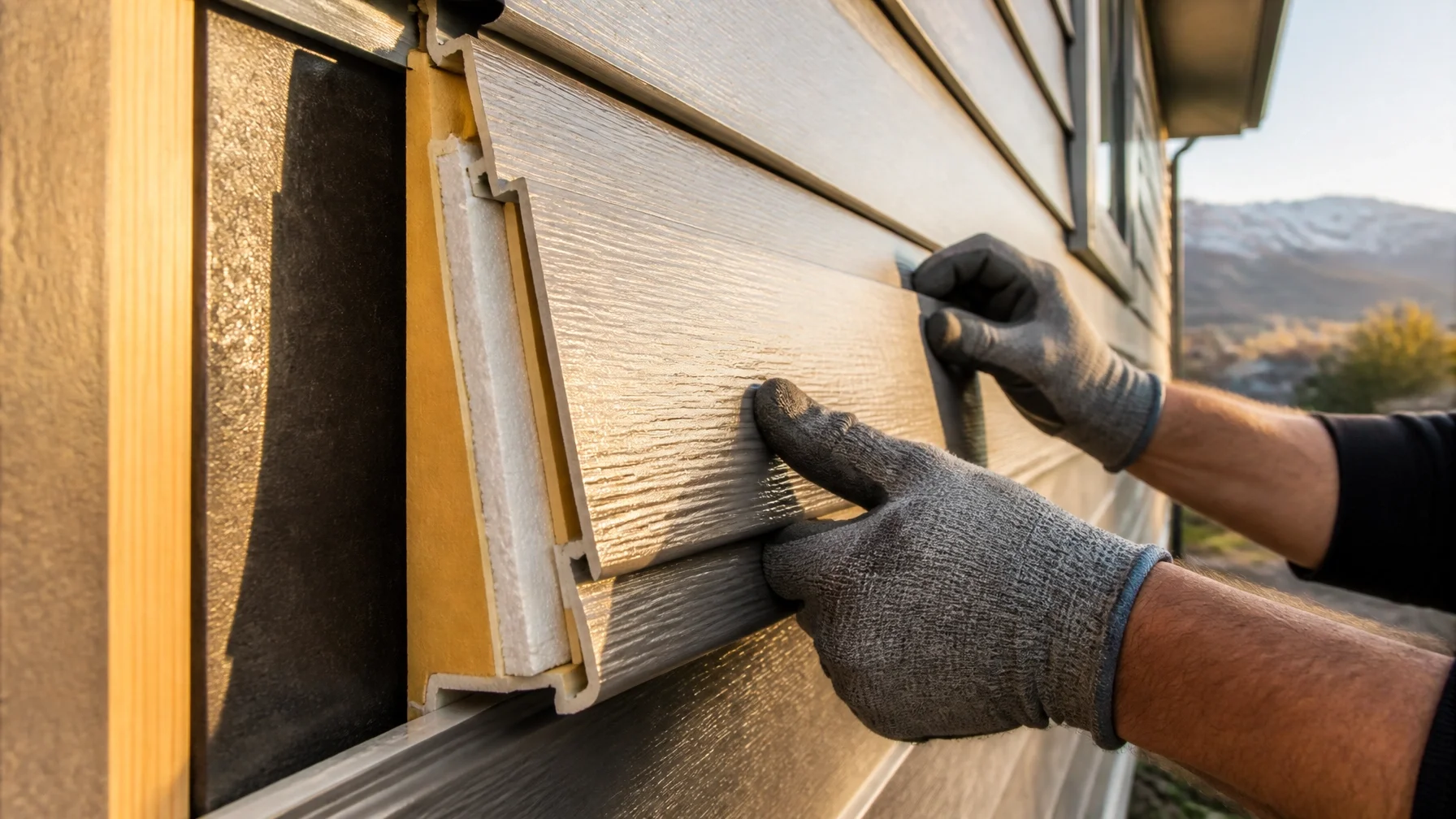
Old, cracked siding makes even a luxury interior feel dated and neglected. Conversely, modern materials like fiber cement or high-grade insulated vinyl provide crisp lines and deep textures that catch the light and signal to everyone that the home is well-cared for. If you're noticing these issues, it might be time to look into siding replacement in Salt Lake.
The Evolution of the Backyard: Decks and Outdoor Living
The psychology of "home" has shifted. People no longer view the backyard as just a place for a lawnmower and a grill. It is now considered "functional square footage." A well-designed deck or patio expands your living space without the massive cost of a full-room addition.
Outdoor living space remains one of the most desirable features for today’s buyers, and the numbers support the investment. In the Mountain region, a wood deck addition recoups about 97% of its cost, while a composite deck returns roughly 82%, making it one of the strongest lifestyle upgrades from both a resale and livability perspective.
What to look for:
Structural Decay: Check the ledger board where the deck meets the house. If it’s pulling away or rotting, it’s a safety hazard.
Unstable Railings: Loose railings are the #1 red flag for home inspectors.
Surface Stress: Splinters and sun damage make the space unusable and unattractive.
Why it matters:
A new deck isn't just about wood and screws: it's about the lifestyle it facilitates. It’s where you host Sunday dinners and where you decompress after work. When a deck is built correctly, with sturdy support posts and modern railings, it changes the entire "vibe" of the backyard. It turns a patch of grass into a destination. You can learn more about identifying these issues in our guide on deck rot and unstable posts.
Concrete and Flatwork: The Foundation of Curb Appeal
Nothing drags down the value of a property faster than a cracked, heaving driveway or a crumbling front walkway. We often overlook concrete because it’s under our feet, but it provides the visual "frame" for the entire house.
Fresh concrete work: whether it’s a new driveway, a curved walkway, or a stamped patio: provides a sense of permanence and quality. It says the foundation of the home is solid. In Salt Lake City, our "freeze-thaw" cycles are notorious for destroying poorly poured concrete.
What to look for:
Deep Fissures: Cracks wider than a quarter-inch can allow water intrusion, which may lead to heaving, settlement, or more extensive slab damage over time.
Pitting and Scaling: Usually a result of salt damage or a poor finish during the original pour.
Pooling Water: If your driveway or patio doesn't slope away from your foundation, you have a major drainage problem.
Why it matters:
First impressions carry measurable financial weight. Research consistently shows that strong curb appeal can significantly improve resale performance, and exterior upgrades are among the highest-return projects in the current market. Well-executed concrete flatwork, clean walkways, and properly graded driveways immediately signal structural care and long-term maintenance to buyers.
The ROI of the First Impression
Transformation psychology is real. When you change the exterior of your home, you change how you interact with it. You stop rushing from your car to the front door to avoid looking at the peeling trim. You start spending more time outside.
From a business perspective, the numbers back this up. Homes with high curb appeal sell for approximately 7% more than similar homes with neglected exteriors. The numbers become even more compelling when you look at high-impact curb appeal upgrades. In the Mountain region, garage door replacement currently delivers an average ROI of 236%, meaning it can return more than double its cost at resale. That makes it one of the highest-performing home improvement projects available today.
Strategic Timing and Planning
Exterior projects are heavily dependent on the season. You don’t want to be pouring concrete in a blizzard or trying to hang siding in a windstorm.
Spring/Summer: Ideal for concrete work and deck building. The ground is stable, and curing times are predictable.
Fall: The "sweet spot" for siding and trim. The weather is cooler, which is easier on the crews and prevents certain materials from expanding too much during installation.
Winter: This is the time for planning and booking. The best contractors are usually booked months in advance. If you want a new exterior by June, you should be signing contracts in February.
Final Truths
Transforming a house so it feels "new" isn't about one single project. It’s about the synergy of the whole. A new front porch redesign combined with updated siding and a stone accent facelift creates a cohesive, modern look that stands out in any Salt Lake City neighborhood.
Don't think of exterior upgrades as an expense. Think of them as an investment in your home’s "skin." When the exterior is tight, dry, and visually striking, everything else, from your energy bills to your resale value, improves.
If you are ready to stop looking at the cracks and start seeing the potential, focusing on these three pillars, siding, decking, and concrete, is the most effective way to make your old house feel like a new home. For more insights on how these choices impact your property value, check out our remodel insights.
The Upgrades That Make a House Feel New Part 2: Luxury Touches That Level Up Your Life
Luxury isn’t about spending money for the sake of it, it’s about removing friction from your daily life. When we talk about "luxury touches" in a home remodel, we aren't just talking about gold leaf and marble. We are talking about intentionality, quality, and the psychological shift that happens when your environment is designed to support your lifestyle rather than complicate it.
From a contractor’s point of view, the difference between a "nice" house and a luxury home often comes down to the details you don’t notice until you touch them. It’s the weight of a door handle, the silent glide of a custom drawer, or the way the lighting shifts to match the time of day. These are the upgrades that make a house feel new, even if the bones of the structure stayed the same.
Statement Lighting: The Jewelry of the Home
Lighting is the most underrated element of home design. Most Salt Lake Valley homes built in the 90s or early 2000s suffer from "builder-grade" lighting, flush-mounted lights and basic recessed cans that provide light but no character.
Upgrading to statement lighting changes the visual hierarchy of a room. It draws the eye upward and defines spaces within an open floor plan.
What to look for:
Scale: Most homeowners choose fixtures that are too small. A dining room chandelier should be approximately 1/2 to 2/3 the width of the table.
Layering: You need more than just overhead lights. Incorporate sconces, under-cabinet lighting, and floor lamps to create "pools" of light.
Dimmers: Every single light in a luxury remodel should be on a dimmer switch.
Why it matters:
Light dictates mood. By installing high-quality fixtures with adjustable temperatures, you can transition a space from a bright, productive kitchen to a soft, intimate dining area. This is a primary focus for any reputable kitchen remodeling contractor looking to add immediate value and "wow" factor to a project.
Custom Built-ins: Architecture as Furniture
There is a distinct psychological difference between a room filled with standalone furniture and a room with integrated custom cabinetry. Custom built-ins provide a sense of permanence and architectural intent. They suggest that the home was built specifically for the people living in it.
In our region, where outdoor activities are a way of life, custom mudrooms and basement storage are high-impact luxury touches. Instead of a pile of boots by the door, a custom-built locker system hides the mess and streamlines your morning exit.
What to look for:
Integrated Lighting: Adding LED strips to bookshelves or within cabinets elevates the look instantly.
Purpose-Driven Design: Don't just build shelves. Build charging stations, hidden pull-outs for appliances, or specialized storage for your specific hobbies.
Flush Finishes: The built-in should look like it is part of the wall, not sitting in front of it.
Why it matters:
Built-ins maximize square footage and reduce visual clutter. When everything has a dedicated "home," the mental load of maintaining your space decreases significantly. We often see this as the key to reclaiming the heart of the home, where organization meets aesthetic.
Hardware and the Tactile Experience
You touch your cabinet pulls, door handles, and faucets dozens of times a day. If they feel light, hollow, or "jiggly," it sends a subtle signal to your brain that the home is of lower quality. Replacing standard hardware with solid brass, forged steel, or heavy-duty matte finishes is one of the most cost-effective ways to "level up" a room.
What to look for:
Weight: Hold the hardware in your hand. It should feel substantial.
Finish Consistency: Ensure your finishes match across the room, but don't be afraid to "mix metals" (e.g., black hardware with brass accents) for a more curated, less "set-piece" look.
Ergonomics: Luxury is comfortable. A handle should fit the hand naturally.
Why it matters:
Hardware is the finishing touch that ties a design together. It’s like a well-tailored suit where the fabric matters, but the buttons and the fit make the statement. For those doing a high-impact kitchen upgrade, hardware is often the hero of the project.
The Spa-Like Bathroom: A Daily Ritual
A bathroom remodeling contractor knows that the trend has shifted away from giant, unused soaking tubs toward high-end, walk-in "spa" showers. Luxury in the bathroom is about the ritual of self-care. It’s about the transition from a stressful workday to a relaxing evening.
What to look for:
Heated Floors: In Utah, heated tile floors are no longer a "nice-to-have." They are a game-changer for those cold winter mornings.
Curveless Showers: A seamless transition from the bathroom floor into the shower creates a high-end, modern look and improves accessibility.
High-End Fixtures: Rain heads, handheld sprayers, and body jets provide a multi-sensory experience.
Why it matters:
Creating a spa-like bathroom adds significant ROI to your home while providing a daily escape. It turns a utility room into a sanctuary.
Premium Flooring: The Foundation of Feel
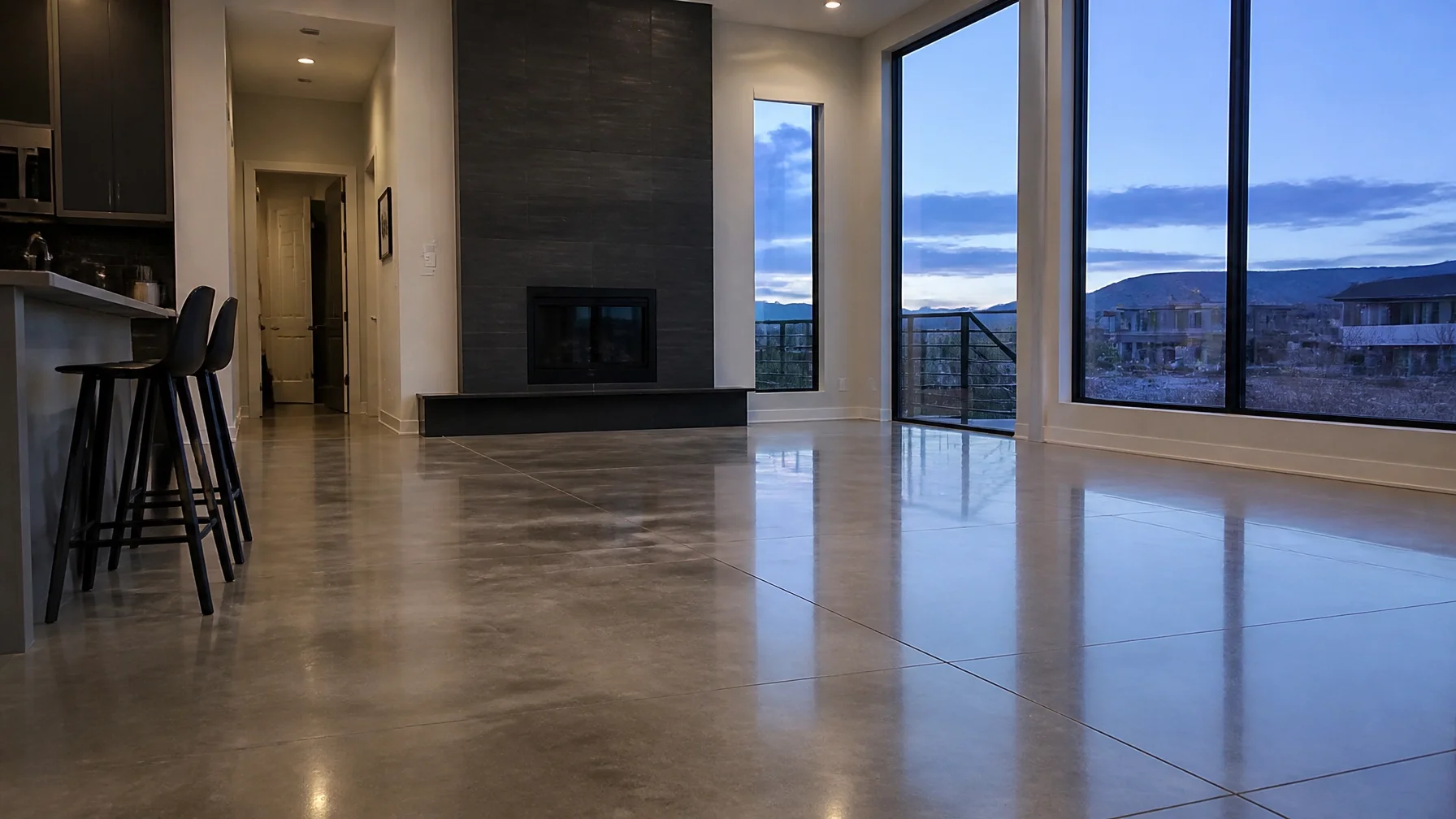
Flooring is the largest surface area in your home. If the floors are dated, worn, or low-quality, the entire house feels "off." Moving to premium materials like wide-plank engineered hardwood or high-durability luxury vinyl plank (LVP) provides a cohesive, high-end feel throughout the house.
What to look for:
Texture: Look for wire-brushed or hand-scraped textures that feel natural underfoot.
Durability: In our climate, wood can expand and contract. High-quality engineered products are often more stable than solid hardwood.
Sound Dampening: Luxury floors shouldn't sound hollow. Proper underlayment is essential for that solid, high-end "thud" when you walk.
Why it matters:
New flooring changes the scent, the sound, and the visual brightness of a home. It also has practical health benefits, especially in Salt Lake where air quality is a constant concern. Modern flooring is easier to keep clean and doesn't trap allergens like old carpet. You can read more about how modern flooring saves your sinuses.
Smart Home Integration: Convenience as Luxury
Luxury is having things happen without you having to think about them. Smart home features, when done correctly, are the ultimate modern luxury touch. This isn't about having gadgets for the sake of gadgets. It's about integrated systems that simplify your life.
What to look for:
Automated Lighting: Lights that slowly dim as the sun sets or turn on when you enter a room.
Smart Thermostats: Systems that learn your schedule and keep the home comfortable while saving on energy costs.
Integrated Security: High-definition cameras and smart locks that offer peace of mind without being intrusive.
Why it matters:
Automation reduces the "small decisions" you have to make throughout the day. It allows you to focus on your family and your work rather than your house.
The Contractor’s Perspective on Luxury
When we plan a remodel at Your Contractor Pros, we look at luxury through the lens of longevity. A cheap faucet might look like a luxury one on day one, but by day 300, it’s leaking or the finish is peeling. Real luxury is the peace of mind that comes from knowing your home was built correctly with premium materials.
If you are planning a project, whether it's a kitchen remodel in Sandy or a full home transformation, focus on the things you interact with every day. Those are the upgrades that will actually level up your life.
Investing in your home isn't just about the resale value: though these touches certainly help. It’s about the quality of the life you live within those four walls. Luxury isn't a status symbol; it's a standard of living.
The Upgrades That Make a House Feel New Part 1: Layout Changes That Change Everything
Most homeowners in the Salt Lake Valley don’t need a different house—they need a different layout. If your home feels tight, dark, or frustrating, the issue usually isn’t square footage. It’s flow.
From a contractor’s point of view, this shows up all the time. You like your neighborhood. You like your yard. You may even like most of the house. But the main living areas feel boxed in, and that feeling wears on you. Quietly. Daily.
This is Part 1 of our series, The Upgrades That Make a House Feel New. We’re starting with layout changes because they create one of the biggest emotional shifts you can make in a home. When walls come down and movement gets easier, the whole house feels lighter.
The Psychology of the Open Concept: Wall Removals
A closed-off layout can make a perfectly good home feel exhausting. Not dramatic—just draining. If you’re cooking behind a wall while everyone else is in the next room, the house starts to work against you. Wall removals fix more than appearance. They restore connection.
What to Look For
Look at the spaces between your kitchen, dining, and living areas.
A wall that cuts off conversation
A peninsula that jams up traffic
A narrow opening that makes the main floor feel segmented
A dark kitchen beside a bright living room
These are usually the first signs that the layout—not the finishes—is the real problem.
Why It Matters
When you remove the right wall, the emotional change is immediate. Light travels farther. Conversations carry. The kitchen no longer feels like a separate room where one person gets stuck doing the work. The whole main floor starts to feel more social, more breathable, and easier to live in.
In many homes across Riverton, Sandy, and South Jordan, one wall removal can completely change how large the home feels. If that wall is load-bearing, a properly planned beam can still create that open result without compromising structure.
The Kitchen Island: The New Command Center
Once a layout opens up, the island usually becomes the anchor. This isn’t about chasing trends—it’s about giving the room a center of gravity. A cramped kitchen feels stressful because everything happens at the edges. A well-sized island pulls the room together.
What to Look For
Ask a simple question: does your kitchen work for more than one person?
If two people can’t pass comfortably, flow is off
If guests end up standing in walkways, flow is off
If there’s nowhere to land groceries, backpacks, or dinner plates, flow is off
We often find the fix by reclaiming wasted space from an oversized nook, a poorly placed pantry, or an outdated partition.
Why It Matters
A bigger island changes how the room feels and how you use it.
It creates a gathering point instead of scattered traffic
It adds breathing room for cooking, serving, and daily mess
It keeps people connected instead of pushing them into separate corners
Yes, island expansions can require electrical or plumbing changes. But when they’re done as part of a planned layout update, those moves are manageable and worth it.
Widened Doorways and Better Sightlines
Not every layout problem requires full demolition. Sometimes the house just needs better transitions. A widened doorway or large cased opening can make a home feel less tight without changing the entire footprint.
What to Look For
Pay attention to how you move through the house.
Do the main walkways feel pinched?
Do rooms feel cut off from each other?
Do you move from one dark opening to another?
Those tunnel-like transitions are common in older floor plans throughout the Salt Lake Valley.
Why It Matters
Sightlines matter because your brain reads openness fast. When you walk in and can see farther—across the room, toward windows, into connected living space—the house feels calmer and larger right away. That’s the kind of change people notice without always knowing why.
Wider openings also improve accessibility and make the home easier to live in long term. Practical. Clean. High impact.
The Structural Reality: What You Need to Know
Every homeowner asks it: "Is that wall load-bearing?"
Sometimes yes. Sometimes no. Either way, you need a plan before anything comes down.
Non-load-bearing walls are simpler to remove and usually the most cost-effective place to create openness.
Load-bearing walls can still come down, but they require proper beam sizing, structural planning, and permits.
Mechanical walls carry plumbing, HVAC, or electrical and take more coordination to rework.
This is where DIY layout changes get rough fast. If you open the wrong wall, you’re not just creating a mess—you’re creating delays, added cost, and possible safety issues.
Salt Lake Valley Context: Why Layout Matters Here
This matters even more in the Salt Lake Valley because you live in your house hard during winter. When it’s cold, dark, and everyone is inside, a choppy floor plan feels tighter. More irritating. More obvious.
A lot of homes built in the 70s, 80s, and 90s in areas like Sandy and Cottonwood Heights were designed around formal rooms that don’t match how families live now. Opening those spaces up isn’t about trend-chasing—it’s about making the house fit real life.
Your Single Point of Contact
One reason homeowners put off layout changes is simple: they picture chaos. And honestly, without coordination, that’s exactly what happens.
A wall removal can involve:
Structural engineering
Electrical relocation
HVAC changes
Drywall and finish work
Flooring repair and patching
At Your Contractor Pros, we manage the full process from design through completion. You don’t have to line up multiple trades, chase schedules, or guess who’s responsible for what. We handle the moving parts and keep the project organized so the transformation feels exciting—not brutal.
The Simple Truth About Layouts
A better layout changes the mood of a home fast. That’s why these projects hit so hard. When you remove the barriers that block light, traffic, and connection, the house stops feeling stale and starts feeling new again.
This isn’t about making your home bigger—it’s about making it feel better to live in.
Stay tuned for Part 2 of this series, where we’ll cover the luxury touches that make a remodel feel finished.
If you're considering a layout change in your Salt Lake Valley home, start with the spaces that feel tight, dark, or disconnected. That’s usually where the biggest transformation begins.
Big Upgrades That Increase Home Value: Part 3 - Exterior ROI
Welcome back to the final installment of our series on home upgrades that actually pay you back. We’ve spent the last two posts talking about the "guts" of the house, the kitchens and the bathrooms, but today, we’re heading outside.
If you’re thinking about selling your home in the Salt Lake Valley, or you just want to be the envy of the cul-de-sac, exterior ROI is where the real magic happens. In fact, research shows that exterior improvements often offer the highest return on investment because they create that "wow" factor before a buyer even steps through the front door.
At Your Contractor Pros, we handle the complex projects that take your curb appeal from "meh" to "must-have." Let’s look at the heavy hitters.
Siding Replacement: The Ultimate Facelift
If your home’s exterior is looking a bit tired, or you’re noticing cracks and fading, siding replacement in Salt Lake is one of the smartest moves you can make. It’s not just about looks; it’s about protection. Utah weather can be brutal, and quality siding acts as your home's first line of defense against the elements.
High-performing exterior materials like fiber cement and stone veneer can sometimes return close to or even above their cost at resale in favorable markets. When we handle a full siding overhaul, we ensure the weatherproofing details are perfect, so you aren't just gaining style: you’re gaining peace of mind.
Deck or Patio Construction: Your Outdoor Oasis
In places like Riverton, Herriman, and Sandy, we love our outdoor space. A well-designed deck or patio adds highly desirable usable outdoor living space and can significantly improve buyer appeal.
We know how a custom-built deck can transform a backyard into a destination. Whether it’s a multi-level wooden deck or a sleek composite space with white vinyl railings, buyers are willing to pay a premium for a "turn-key" outdoor entertaining area. If you're looking for inspiration, check out some of our exterior damage prevention tips to keep that new deck looking sharp for years.
Entryway and Curb Appeal: The 188% Return
Believe it or not, one of the highest ROI projects you can tackle is replacing your front door. A new steel entry door is often one of the highest-return exterior upgrades, with recent reports showing returns that can exceed 150% in strong markets.
Pair that new door with updated lighting, fresh mulch, and a clean walkway to seal the deal. We often see homeowners overlook the small stuff, but as we discussed in our post about small flaws that send the wrong message, those details matter to buyers.
Why Go with Your Contractor Pros?
When you're ready to move beyond simple repairs and start a major renovation, you need a home remodel contractor in Utah that understands the local market. Your Contractor Pros handles the big stuff: siding, decks, and full-scale exterior remodels across the Salt Lake Valley, from Magna to West Valley City.
We take pride in our craftsmanship and our commitment to the community. We are a licensed and insured contractor, and we’re honored to be recognized among the top pros in the area.
Ready to boost your home's value? Whether it's a new deck in Riverton or a full siding replacement in Salt Lake, give us a call. We’re here to help you make your home the best it can be.
Big Upgrades That Increase Home Value: Part 2 - Bathroom ROI
If you caught Part 1 of our series, you know we’re diving deep into where you should actually spend your money to get the best return when it’s time to sell. While the kitchen is the heart of the home, the bathroom is the sanctuary. It’s the place where a little bit of luxury goes a long way in a buyer’s mind.
In the Salt Lake Valley, a lot of homes that have great "bones" but bathrooms that feel stuck in the 90s. The good news? A bathroom remodel can deliver an average ROI of about 72.7%. At Your Contractor Pros, we help homeowners turn these dated spaces into high-value assets.
Here are the three heavy hitters for bathroom ROI.
1. The Walk-In Shower Revolution
If you have a cramped tub-and-shower combo, you’re sitting on a goldmine of potential space. One of the biggest trends in a bathroom remodel in Herriman or Riverton right now is the tub-to-shower conversion.
Modern buyers, especially those looking for a "forever home", prize walk-in showers with frameless glass doors. They make a small bathroom feel twice as large and offer better accessibility. If you have at least one bathtub elsewhere in the house for the kids or pets, swapping your master tub for a high-end walk-in shower is a winning move.
2. Updated Vanities: Small Footprint, Big Impact
You don’t always need to gut the room to make it look expensive. Replacing an outdated vanity is often one of the highest-impact, lower-cost upgrades in a bathroom remodel because it instantly updates the focal point without requiring a full gut renovation.
Whether you’re looking at a bathroom renovation in West Valley City or a quick refresh in Sandy, moving away from builder-grade cabinets to a furniture-style or floating vanity changes the whole vibe. Pair it with a double sink if space allows; "his and hers" setups are a non-negotiable for many couples shopping in the Utah market. While you’re at it, swap out those old faucets for WaterSense-certified fixtures to show buyers you care about efficiency.
3. Modern Tile Work
Tile is where the "wow" factor happens. If your current bathroom looks like the one below, with dated colors or visible wear, it’s time for a refresh.
As a home remodel contractor in Utah, we recommend sticking to timeless designs. Think large-format porcelain tiles (fewer grout lines to clean!) or classic white subway tile with a dark grout for contrast. Clean lines and professional installation are key here. If you try to DIY a complex tile pattern and the lines are crooked, it actually hurts your home value. Check out our Pro Tips on why some DIY hacks backfire before you pick up a trowel.
Why Work With Your Contractor Pros?
Handling a full bathroom renovation involves plumbing, electrical, and precision finish work. We handle the mid-to-large scale projects with the same friendly, local touch you’ve come to expect.
We serve the entire Salt Lake Valley, including:
Herriman & Riverton
Sandy & Draper
West Valley City & Magna
If you're ready to stop dreaming and start demoing, let's chat about your vision. We are a licensed and insured contractor, and we take pride in doing the job right the first time.
Stay tuned for Part 3, where we head outside to look at Exterior ROI!
Big Upgrades That Increase Home Value: Part 1 - Kitchen ROI
Hey neighbors! If you’ve been living in the Salt Lake Valley for any length of time, you know that the housing market is always on the move. Whether you’re looking to sell in the next few months or you just want to enjoy a nicer space while building equity, knowing where to put your money is key.
Welcome to Part 1 of our new series: Big Upgrades That Increase Home Value. Today, we are stepping into the heart of the home, the kitchen.
When people ask us as a home remodel contractor in Utah, "Where do I start?" the answer is almost always the kitchen. It’s where the ROI (Return on Investment) is highest. For larger, more complex projects, Your Contractor Pros ensures your big vision gets the professional heavy lifting it deserves.
Cabinet Refresh vs. Full Replacement
Cabinets take up the most visual real estate in your kitchen. If yours are looking a little tired, you have two main paths.
The Refresh: If your cabinet boxes are structurally sound, a professional paint job or refacing can work wonders. Swapping out old hinges for soft-close hardware and adding modern pulls can give you a high-end look for a fraction of the cost. This is a great move for a quick kitchen remodel in Sandy where you want maximum impact on a tighter timeline.
Full Replacement: If your layout is clunky or the wood is failing, it’s time for a full replacement. This allows us to rethink the footprint, perhaps adding that kitchen island you’ve always wanted. Current national remodeling data shows that a minor midrange kitchen remodel can recoup around 90% to 96% of its cost, while major full remodels tend to return closer to 50% at resale.
Countertop Upgrades
Nothing says "outdated" like cracked laminate or stained tile counters. If you want to see your home value jump, look at quartz or granite. Quartz is currently the king of the kitchen renovation in Riverton because it’s nearly indestructible and doesn't require the sealing that natural stone does.
Upgrading your surfaces makes the entire room feel cleaner and more expensive. When buyers walk through a home in the Salt Lake Valley, they are looking for those "move-in ready" finishes.
Lighting Redesign (Goodbye, Outdated Fixtures!)
Lighting is the "jewelry" of the home, yet it’s often the most overlooked. If you’re still rocking those old, yellowed flush mount fixtures from the 90s, it’s time for an intervention.
We recommend a layered lighting approach:
Recessed Lighting: To brighten the whole workspace.
Pendant Lights: Over the island or sink for a pop of style.
Under-Cabinet LEDs: These are a game-changer for food prep and evening ambiance.
Modern lighting fixtures are one of the most cost-effective ways to make a kitchen feel luxury. If you’re worried about what else might be lurking behind your walls, check out our guide on interior red flags.
Ready to Level Up?
Whether you need a few small fixes or a total overhaul, Your Contractor Pros are here to help. We handle everything from the small "honey-do" lists to full-scale renovations in Herriman, Riverton, Sandy, and beyond.
Stay tuned for Part 2, where we’ll dive into Bathroom ROI and how to turn your master bath into a spa-like retreat!
10 Questions for Your Bathroom Remodeler Part 6: How Do We Handle Living in the Home During the Remodel?
Living through a bathroom remodel doesn't have to be a nightmare. From dust control to floor protection, here’s how we keep your Salt Lake City home livable while we transform your space.
10 Questions for Your Bathroom Remodeler Part 5: Will You Be Pulling All the Necessary Permits?
Skipping permits might save a few dollars now, but it can cost you thousands later. Learn why a professional bathroom remodeling contractor in Salt Lake City should always handle the permit process and how it protects your investment.
10 Questions for Your Bathroom Remodeler Part 4: What is the Estimated Timeline for Completion?
A bathroom remodel in Salt Lake City can take anywhere from two to eight weeks depending on the scope. Learn how Your Contractor Pros manages the timeline and coordinates all trades to keep your project on schedule.
10 Questions for Your Bathroom Remodeler Part 3: What Is Your Process for Protecting the Rest of My Home During Construction?
Discover how Your Contractor Pros keeps your Salt Lake City home clean during a bathroom remodel. From ZipWall barriers to HEPA air scrubbers, we manage the mess so you don't have to.
10 Questions for Your Bathroom Remodeler Part 2: Can I See Examples of Recent Projects?
"Before you sign that contract, you need proof. Discover why viewing a contractor's recent, local portfolio in the Salt Lake Valley is the ultimate audit of their quality and consistency. We break down what to look for—from tile alignment to job site cleanliness—so you can hire with confidence."
10 Questions for Your Bathroom Remodeler Part 1: Are You Licensed and Insured?
Hiring an unlicensed contractor is a massive liability risk. We carry the active Utah licenses and comprehensive insurance required to protect your home and handle all local permits, so you don’t have to.
Deck Dilemmas Part 3: The Danger Zone (Loose Railings & Rusted Hardware)
Your deck railing is the only thing standing between a guest and a hospital visit. If it wobbles when you lean on it or your bolts are covered in orange flakes, you’re in the Danger Zone. Salt Lake Valley’s extreme temperature swings pull hardware apart and rot wood from the inside out. Inspect it now: fix it before the summer BBQ season starts.
Deck Dilemmas Part 2: Surface Stress (Splinters and Sun Damage)
Salt Lake's high-altitude sun is a deck killer. In Part 2, we’re looking at 'surface stress'—from those annoying splinters to deep cracks (checking). We'll also show you a 30-second 'Splash Test' to see if your deck is thirsty for a professional seal before the summer heat hits.
Deck Dilemmas Part 1: Why Your Salt Lake Deck is Sinking (Rot and Unstable Posts)
"Is your deck tilting or feeling a bit 'spongy'? We’re breaking down why Salt Lake’s brutal weather causes rot and sinking posts—and how to fix it before it’s too late. Part 1 of our 5-part Deck Dilemmas series."