

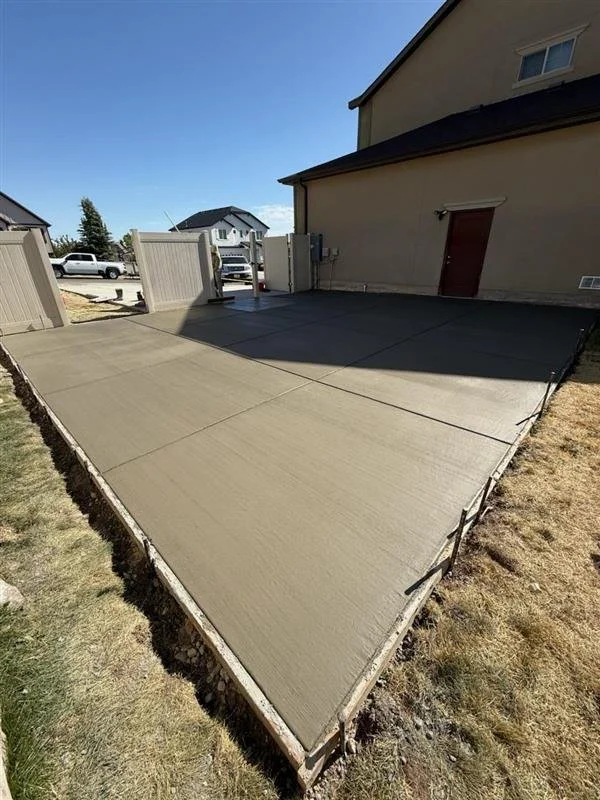
Spring Home Checkup: What to Fix After Winter
Winter is tough on homes—especially in Utah. Freezing temperatures, moisture, and ground movement can quietly cause damage that doesn’t always show up right away. Spring is the best time to walk your home, spot issues early, and fix small problems before they turn into expensive repairs.
Here’s a practical spring home checkup checklist from a contractor’s point of view—what to look for and why it matters.
1. Check Concrete for Cracks and Movement
Winter freeze-thaw cycles are brutal on concrete. As moisture freezes and expands, it can cause cracks, shifting, and surface damage.
What to look for:
New cracks in driveways, patios, or walkways
Uneven slabs or sinking corners
Chipped or flaking concrete surfaces
Why it matters:
Small cracks can often be repaired or monitored. Ignoring them can lead to larger structural issues or full replacement later.
Spring is also the right time to plan:
Patio extensions
RV pads
Driveway expansions
Concrete work fills up fast once summer hits.
2. Inspect Your Basement for Moisture or Water Damage
Basements take the biggest hit over winter. Snowmelt and spring rain can expose drainage issues fast.
Signs to watch for:
Damp smells
Water stains on walls or floors
Soft or bubbling drywall
Efflorescence (white powder on concrete walls)
Why it matters:
Water damage doesn’t fix itself. Addressing moisture early can prevent mold, insulation damage, and costly structural repairs.
Spring is the ideal time for:
Basement wall repairs
Insulation replacement
Full basement renovations
Dry conditions make repairs easier and more effective.
3. Look for Drywall Cracks and Interior Damage
Seasonal temperature changes cause homes to expand and contract. That movement often shows up in drywall.
Common spring drywall issues:
Hairline cracks near doors or windows
Nail pops
Water-damaged drywall from winter leaks
Why it matters:
Some cracks are cosmetic. Others signal movement or moisture problems that need attention. Fixing drywall early keeps repairs simple and paint-ready.
Spring is a great time to reset interiors before summer projects begin.
4. Check Doors, Trim, and Wall Transitions
Winter shifting can leave gaps around doors, trim, and wall openings—especially in garages, basements, and high-use areas.
Watch for:
Gaps around doors
Uneven trim lines
Cracks where walls meet ceilings
Why it matters:
These gaps can affect insulation, appearance, and long-term durability. They’re often quick fixes when handled early.
5. Review Outdoor Drainage and Grading
Poor drainage is one of the biggest causes of foundation and basement issues.
Spring checklist:
Make sure water flows away from the foundation
Look for pooling near the house
Check downspout extensions
Why it matters:
Water sitting near your foundation leads to basement leaks, cracked concrete, and erosion issues. Fixing drainage now saves major headaches later.
6. Plan Utility Upgrades Before Summer Projects
Spring is the planning season—not the rushing season.
If you’re considering:
A shed
RV pad
Workshop
Patio expansion
This is the time to plan electrical and water access before concrete is poured.
Running conduit or water lines early:
Saves money
Prevents tear-outs
Keeps projects clean and efficient
Why Spring Maintenance Pays Off
Spring repairs are usually:
Less expensive
Less invasive
Easier to schedule
Homeowners who address issues early avoid emergency repairs later—especially during peak summer months when contractors are booked out.
Final Thought
A spring home checkup isn’t about finding problems—it’s about protecting your investment. Walking your home now gives you time to plan smart upgrades, fix damage properly, and head into summer with confidence.
If you’re unsure what you’re seeing, it’s always better to ask early than wait.